The Fisherman and the Woodcutter
Lemeeze Davids
A walking research journey through London by two friends. – April 21, 2026
As part of our Course of Enquiry, which paralleled the port cities of Cape Town and Hong Kong, Amandine Vabre Chau and I took a field trip to London, a place that acts as a ‘halfway point’ between our cities, being a key research location as the epicenter of the British imperial histories that continue to affect Cape Town and Hong Kong today.
We were beginning to understand the significance of the natural world in our curatorial research, and found our inquiry to be reflected by various artists in exhibitions in the city. Their work echoed the implicit power struggles in ecology that we have been interested in.After a year of digital correspondence, Amandine and I reunited at YDP, a newly opened project space in Bloomsbury that facilitates transcultural dialogue around Asian and Asian diasporic contemporary art.
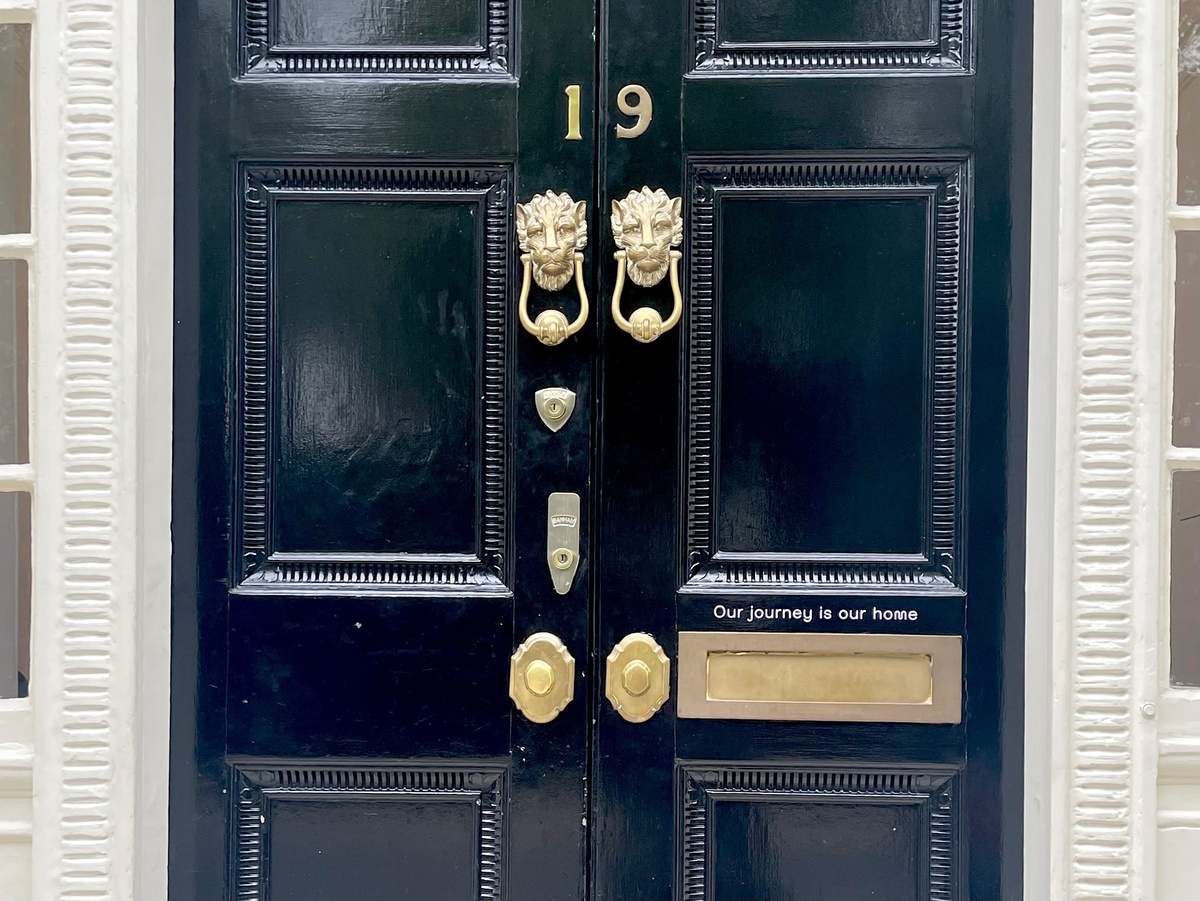
There were two lion door knockers at the entrance, which, however ubiquitous, we took to be a good omen. It pointed back to our comparison of the iconic mountains in our cities: Lion Rock in Hong Kong and Lion’s Head in Cape Town. When I showed Amandine this image of our research retrospectively, she noted, “A curious pattern emerges. Doubling, coupling, dichotomies. A strange binary system that hints at an unclean split; how various things mirror each other, as if subconsciously highlighting our own twinning.”
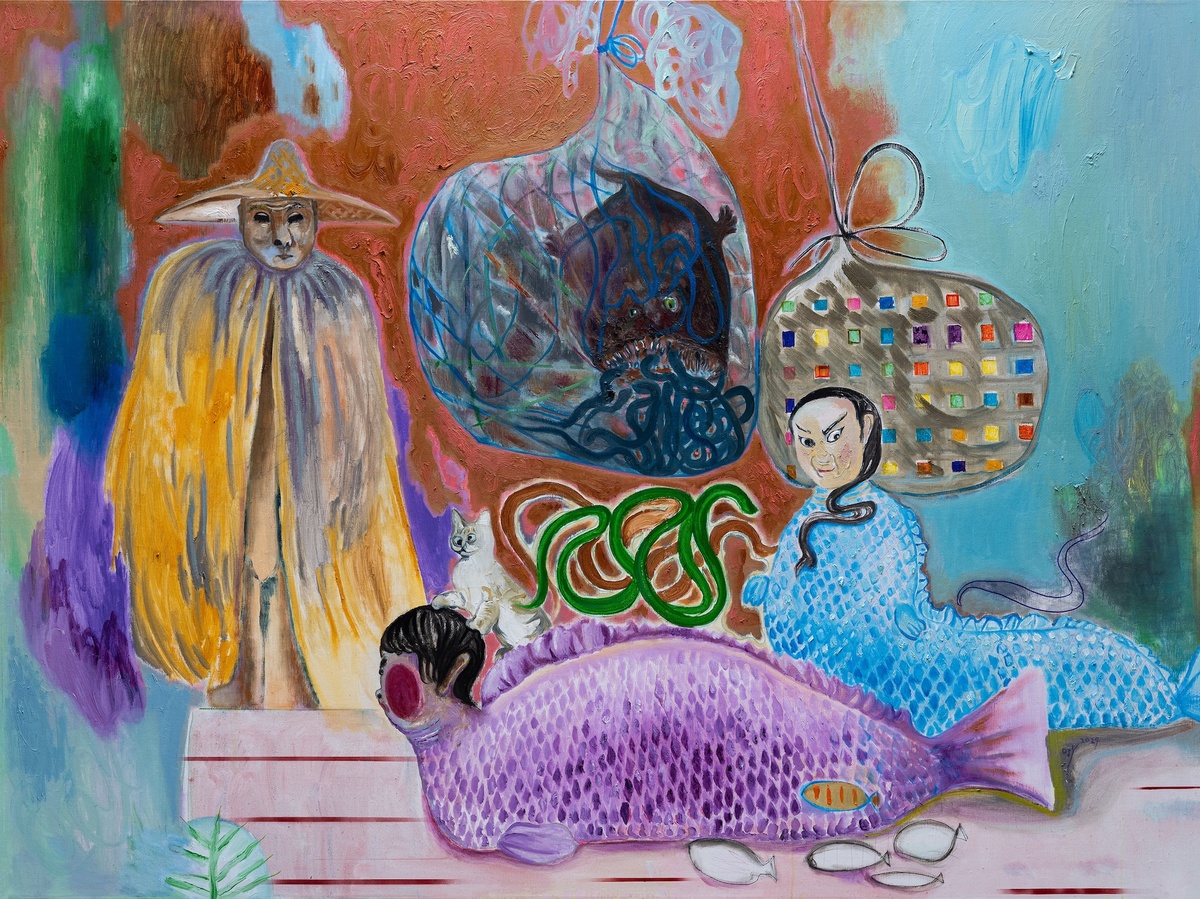
At YDP, a dialogue between two figures was taking place:Chinese artist Duan Jianyu showcased his painting series, Yúqiáo (2023), which translates to “the fisherman and the woodcutter” (a recurring motif in Chinese literati painting and philosophy). It posits two wise figures, one in the water and one in the forest, serving as observers to changes in our environment. In the metaphor, the fisherman represents a mode that is anti-ambition and non-forcing, following the rhythms of the natural world. On the other hand, the woodcutter is more aligned with discipline and social participation, actively contributing to society.
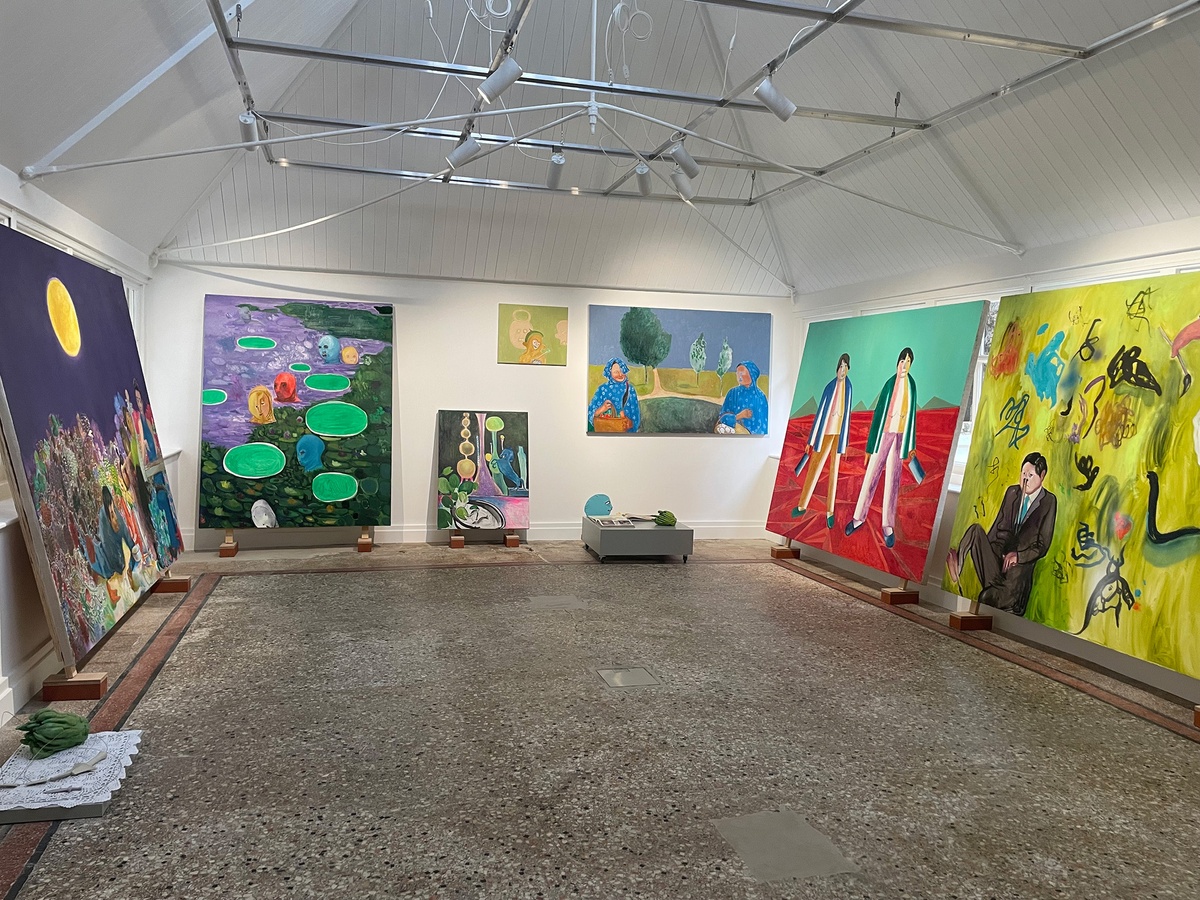
They find kinship with one another because of their love of nature, but debate over the essence of life.In one of the earliest surviving handbooks that references these characters, there bears an explanatory note: “Throughout history success and failure can occur in the blink of an eye, but green mountains and clear waters remain unchanged. Millenia of gains and losses, rights and wrongs: this is just what the fisherman and woodcutter talk about, and that is all." 1
This allegory was particularly fitting for the 6414.36 nautical miles roundtable discussion that we were preparing for later in that week, in which we would consider how plants and animals register the histories of cities – particularly those expressions of dominion enacted on or through the natural world.
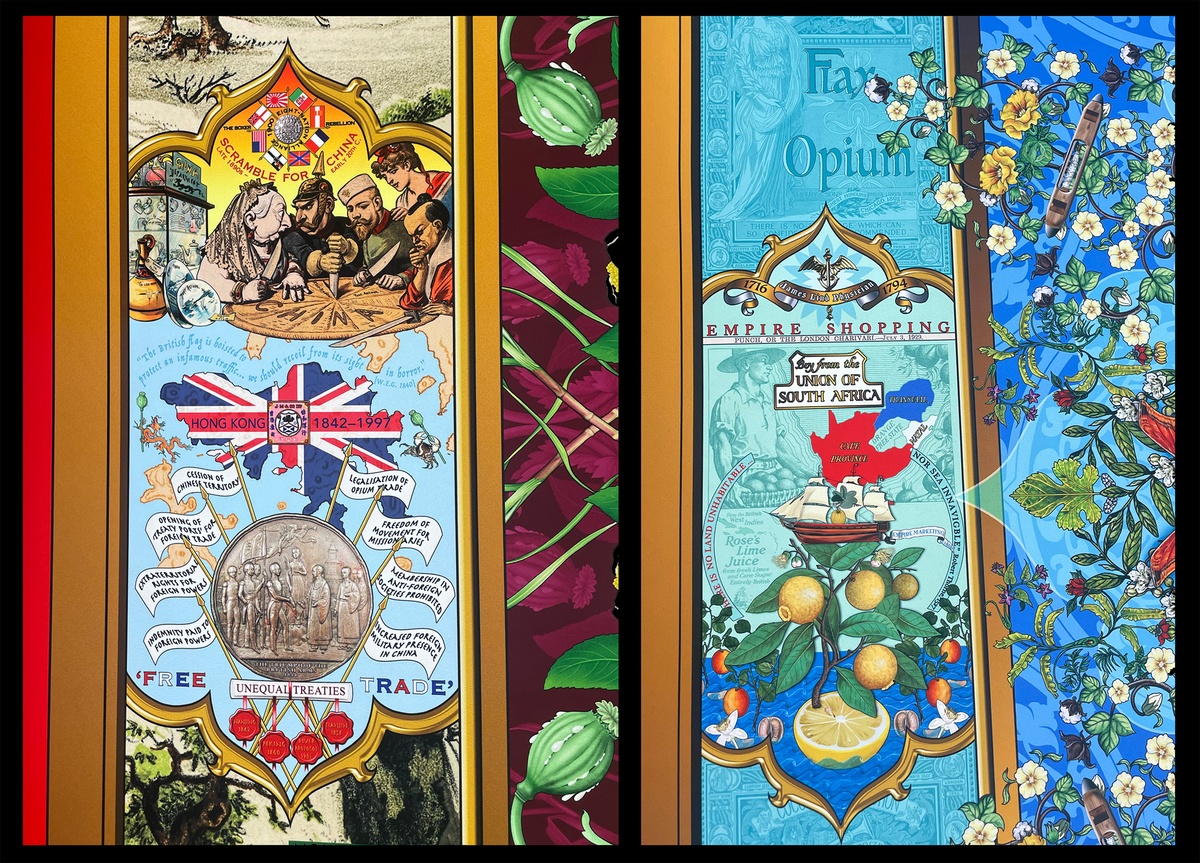
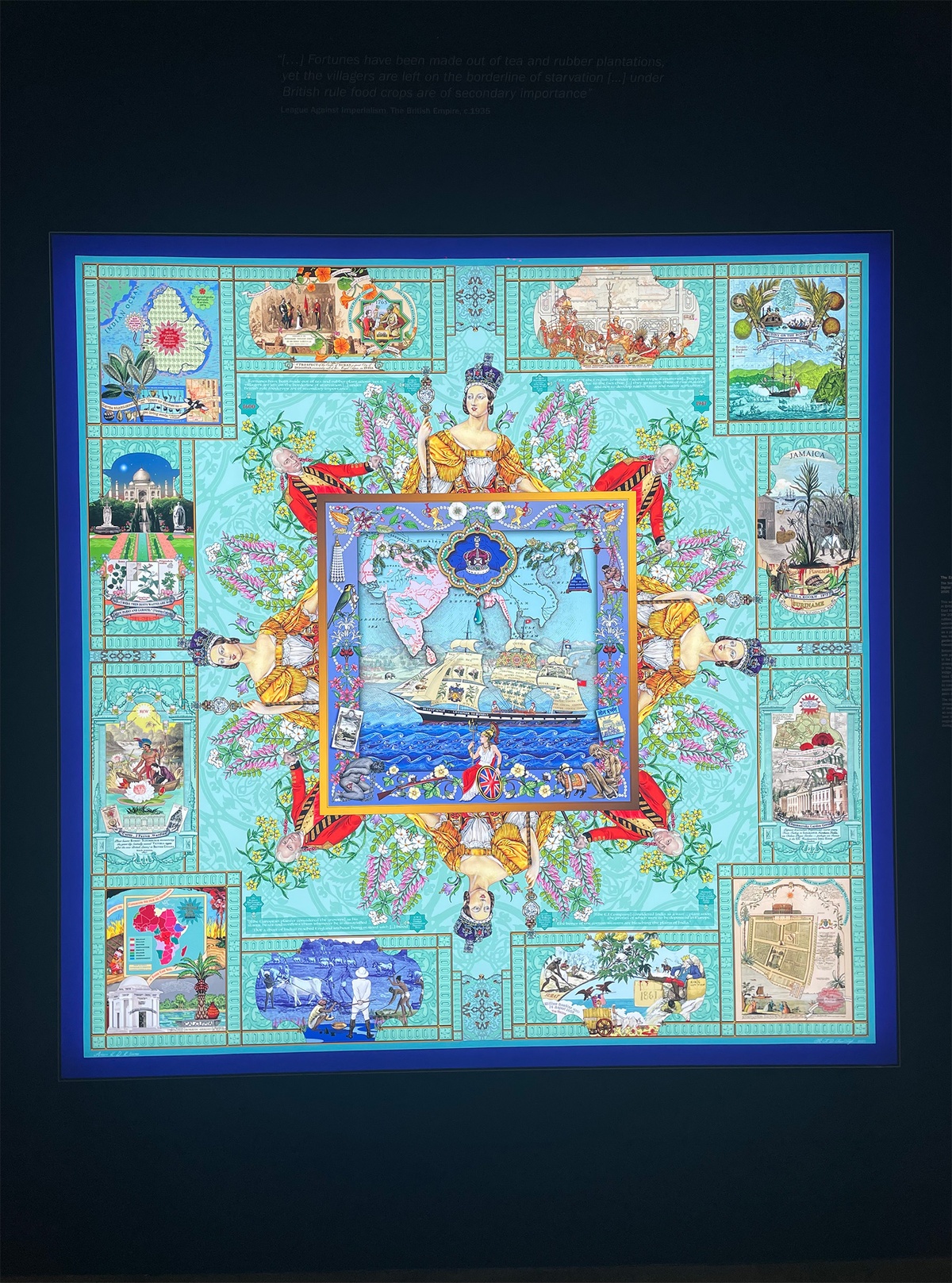
The Singh Twins (Amrit Singh MBE and Rabindra Kaur Singh MBE), exhibiting large-scale lightboxes for Botanical Tales and Seeds of Empire (2025) at Kew Gardens, merged Western illuminated manuscripts with Indian miniature botanical painting. These works detail the British Empire's strategic extractivism, offering narratives like citrus farming in South Africa’s Western Cape to treat European sailors suffering from scurvy en route to South Asia, and another, of the British rule over Hong Kong as a colonial gateway for trade with China (poppies and their milk appearing to the right of the ‘Scramble for China’, referencing the Opium Wars).
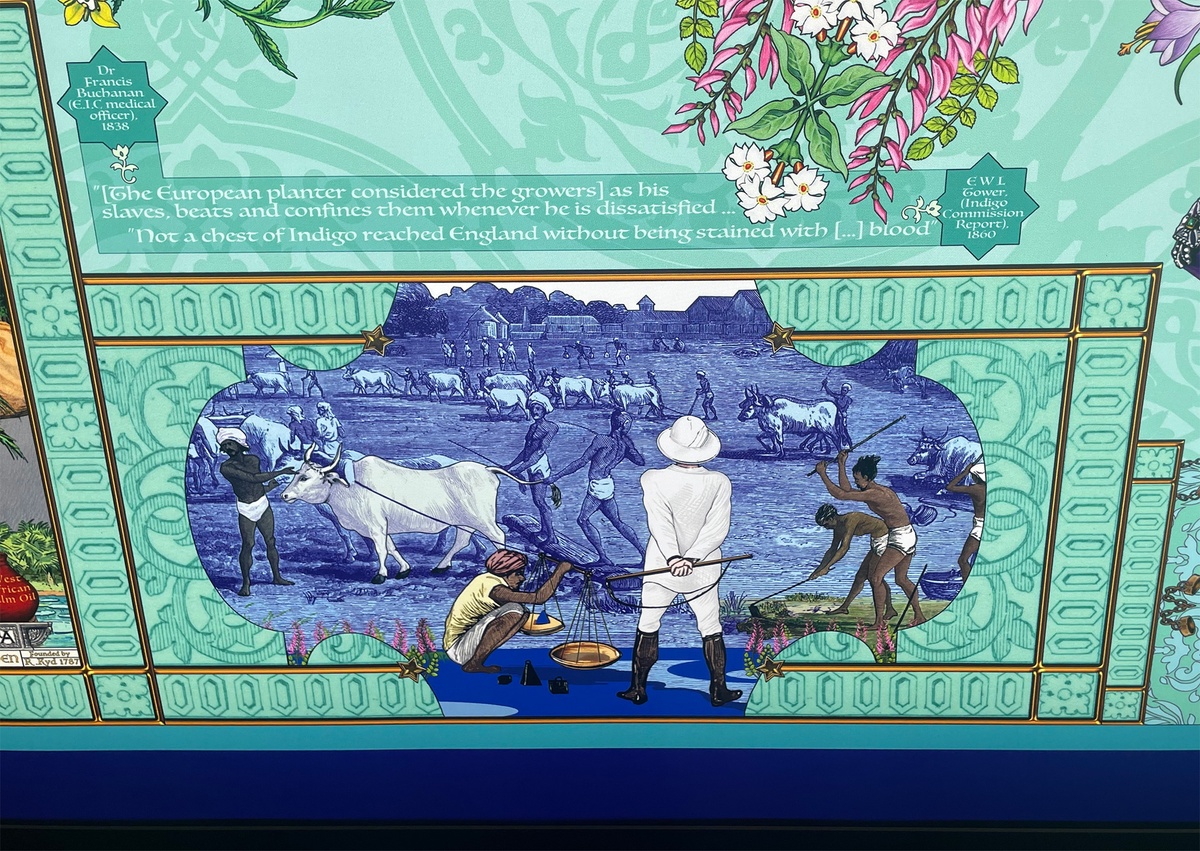
European expansion and colonial projects were materially driven by plants: spices, sugar, tea, coffee, cotton, rubber, tobacco. In the roundtable discussion, architect and arts practitioner Sumayya Vally noted that, “Ecology might include seemingly small things to look at, but conversations about species are in fact conversations about colonisation, and, at the other end of the spectrum, indigeneity.”
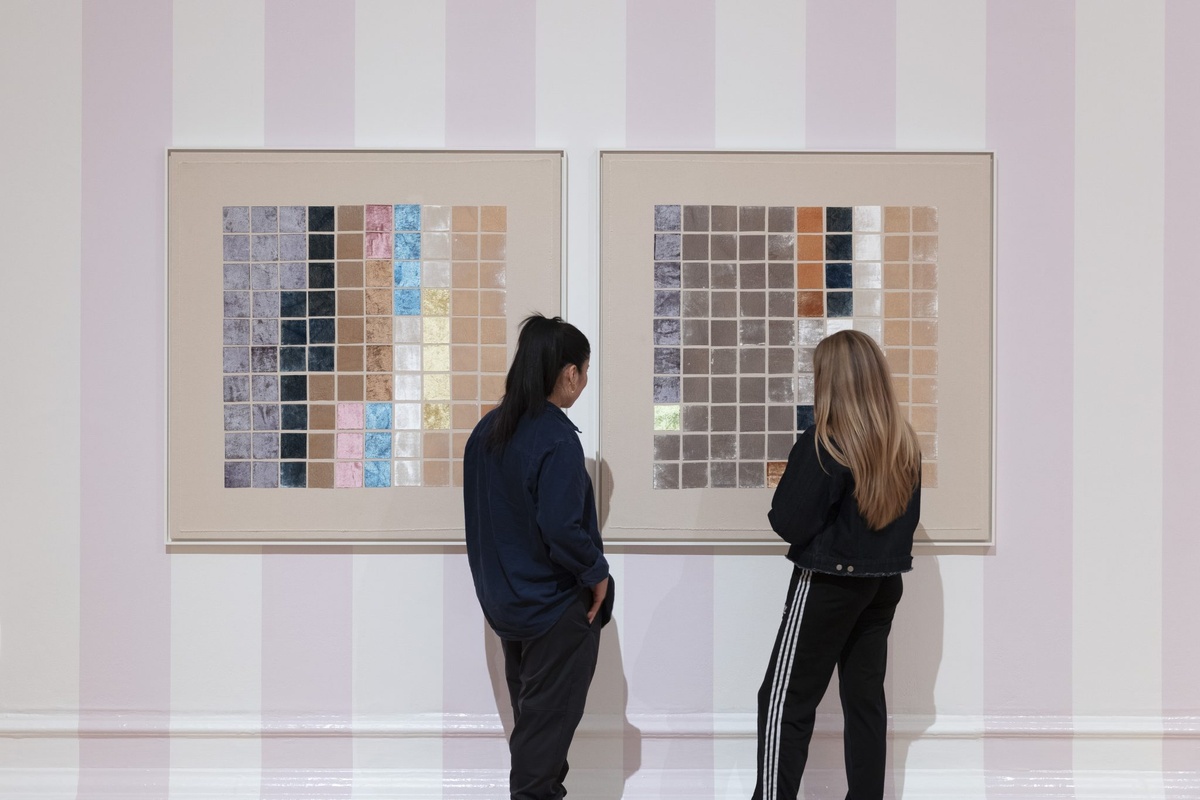
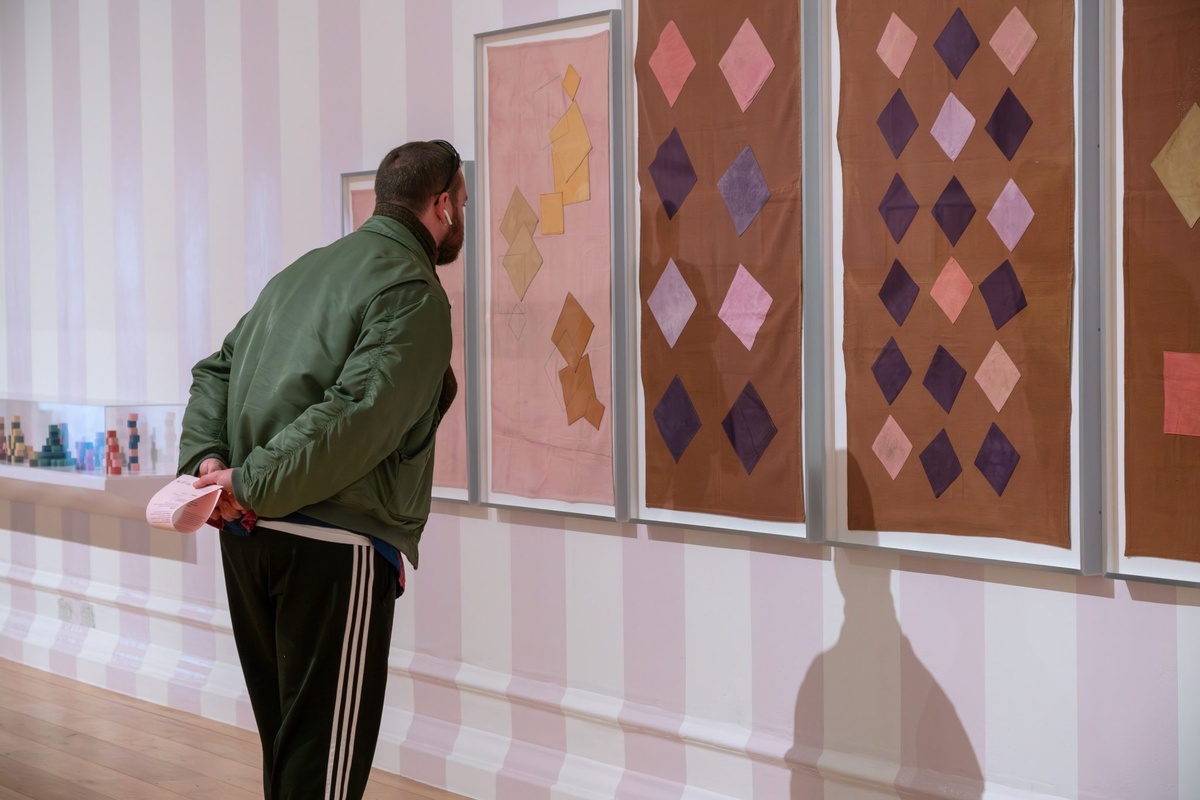
Similarly, Yto Barrada’s solo exhibition, Thrill, Fill and Spill (2025) at the South London Gallery, used plant-dyed textiles to reference this connection. The dyes – indigo, madder root, coreopsis, oxalis, and cosmos – were sourced from the artist’s eco-campus, The Mothership in Tangier, Morocco. These species carry colonial histories, such as indigo being historically tied to the use of slave/indentured labour on British Empire plantations in India and the Caribbean.
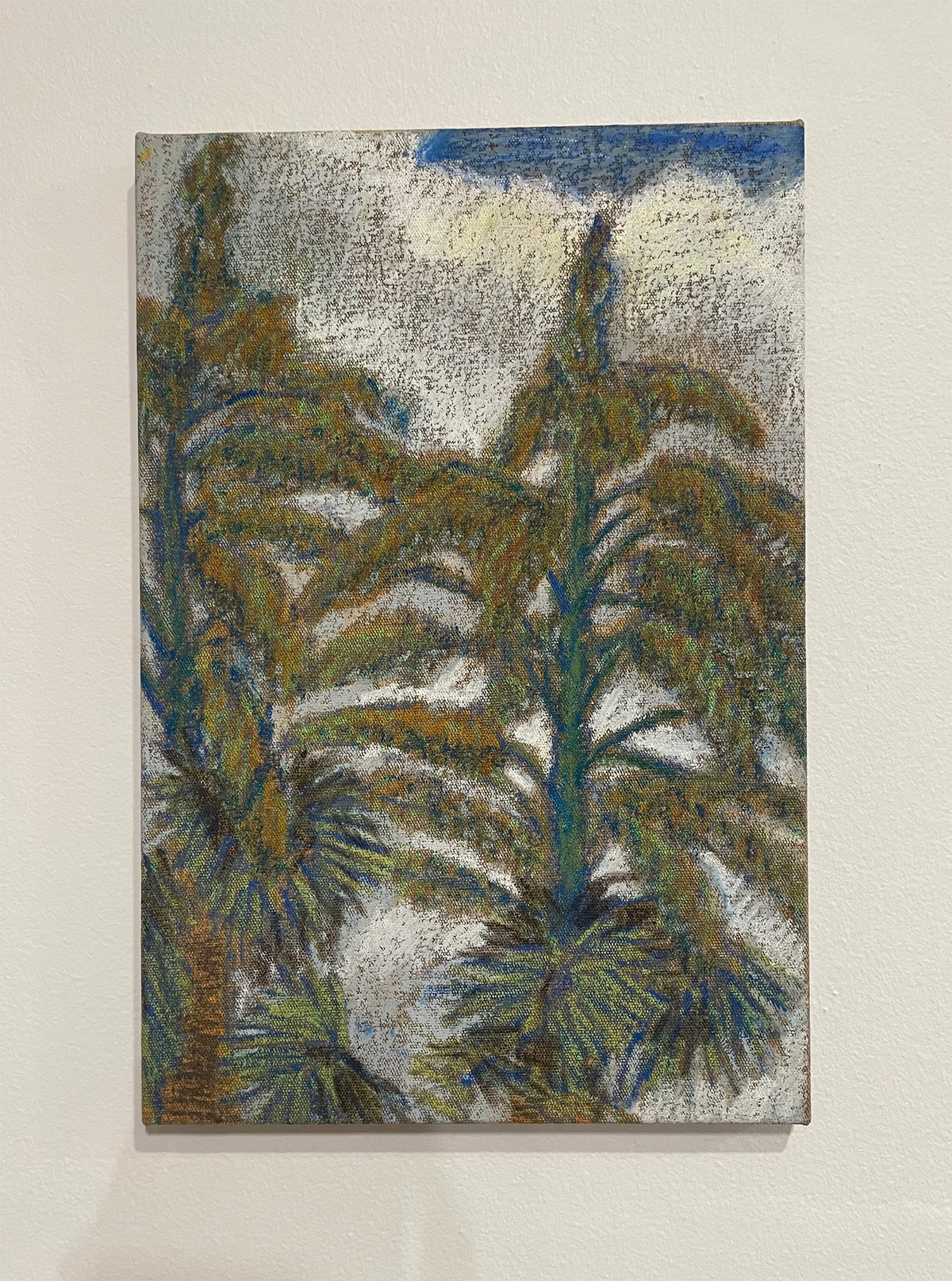
At the conclusion of our field trip, Amandine and I hosted our roundtable at Delfina Foundation, where we discussed these themes. Serendipitously in their gallery downstairs, Brazilian artist Maxwell Alexandre presented intimate oil-on-linen studies of Talipot palms painted en plein air in Rio de Janeiro, as a part of his solo exhibition Sanctuary and the Shadow of its Walls (2025).
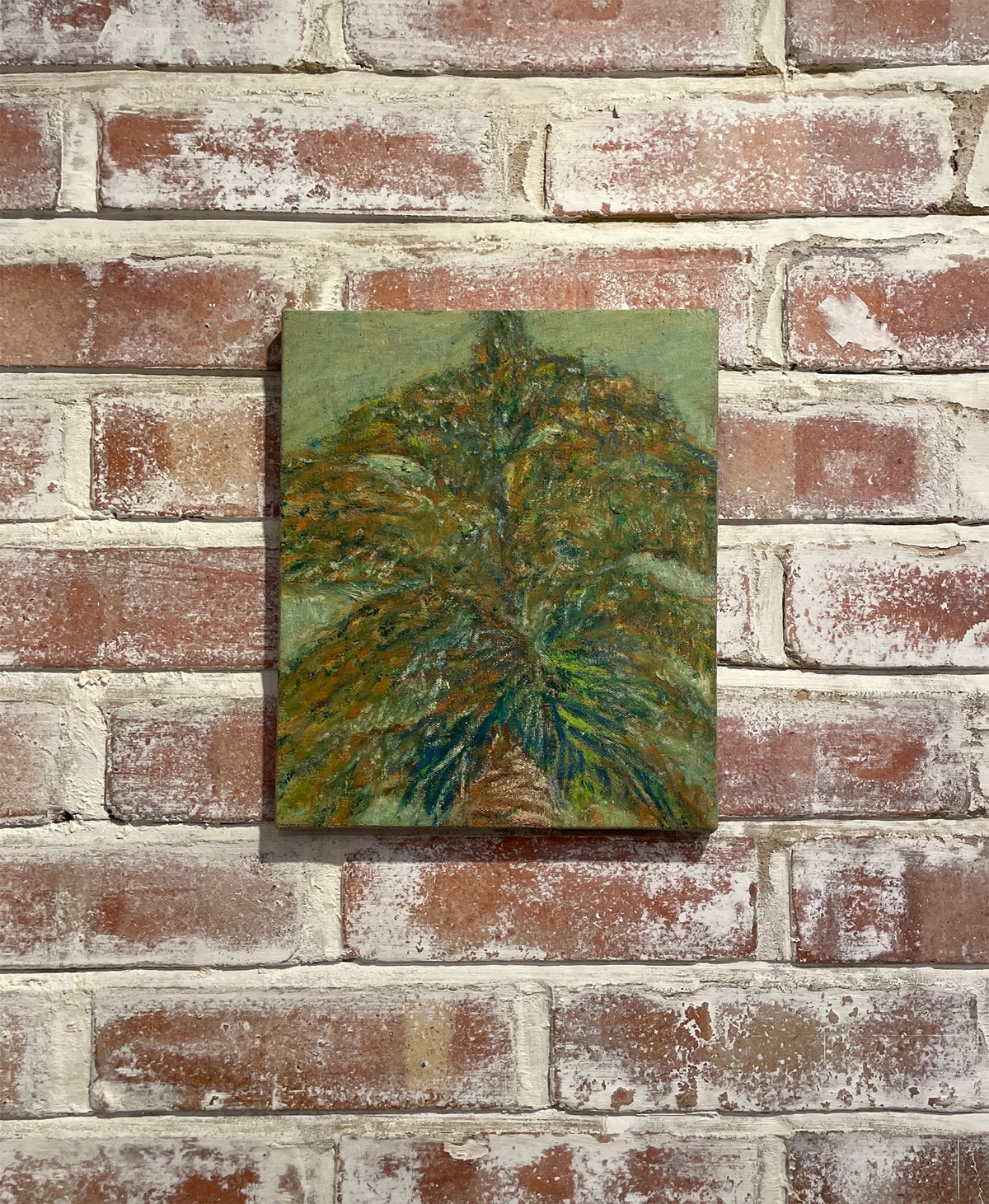
The portraits of the palms invite the viewer into a conversation about time, reflecting how nature (much like the fisherman and the woodcutter) might act as a passive witness to societal shifts, observing decades, and sometimes centuries, of tumultuous human history. The Talipot palm lifespan mirrors that of a human, 30–80 years, suggesting a generous thought towards the future: the person who plants the seed may never live to see the tree bloom.
In research through correspondence, Amandine and I might ask ourselves, “Who is the fisherman and who is the woodcutter?” But perhaps it’s not useful to rigidly assign roles when our Course of Enquiry takes an organic conversational form. This idea resonated deeply after a meeting with Shun-Yu Kwei, a Chinese photographer and filmmaker based in Cape Town. He shared an anecdote: “My friend in Hong Kong met Amandine, just as we are meeting now, and asked her, ‘Why are you doing this project?’ Amandine replied, ‘Friendship.’ That struck me.”